
FROM THE KITCHEN
How to Book Private Dining for a Memorable Night
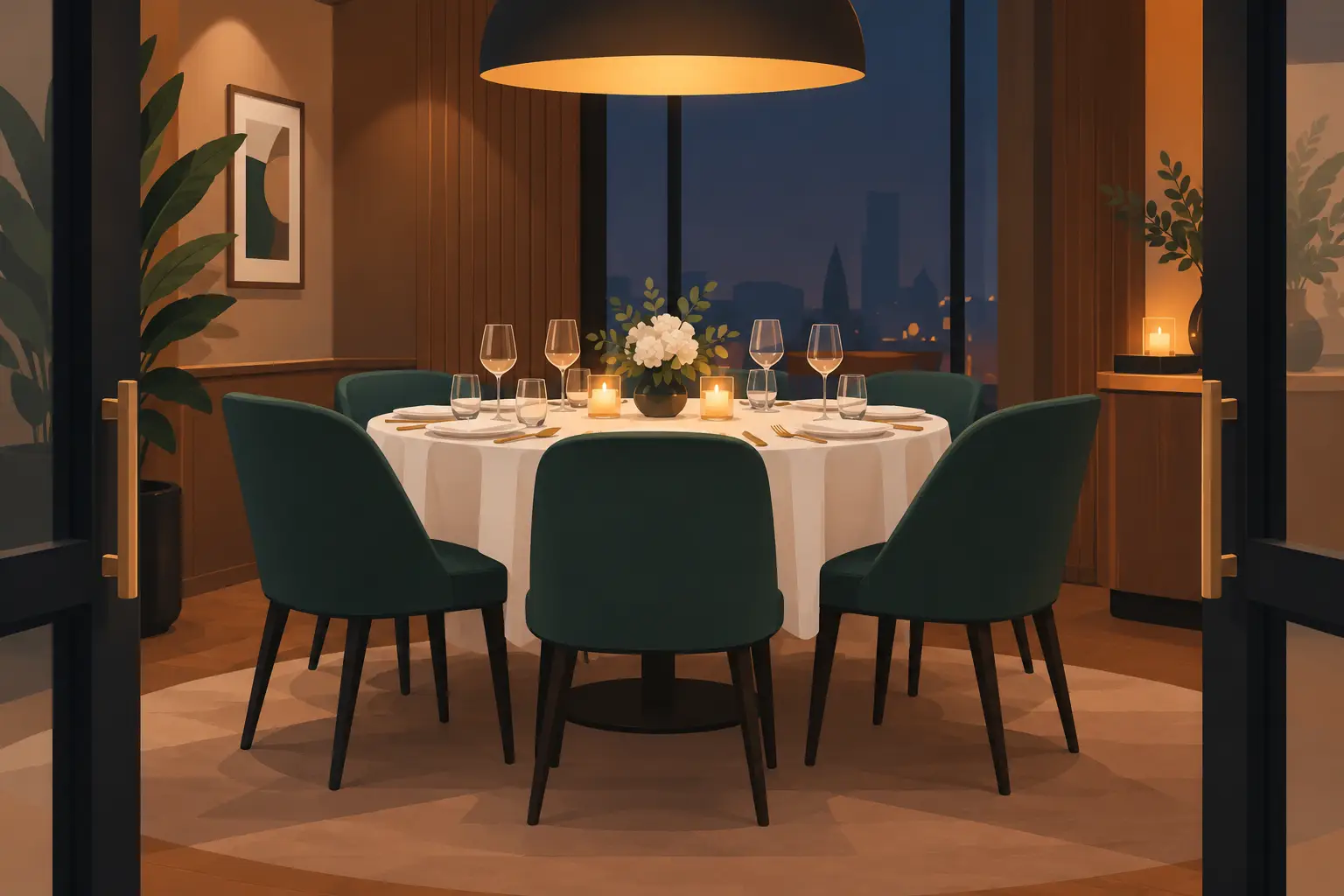
A birthday toast lands differently when nobody is watching the clock for your table. The same is true of an anniversary, a reunion, or a long-overdue dinner with colleagues: a private room gives the occasion its own rhythm. Knowing how to book private dining means more than finding a restaurant with an available space. It means choosing the room, menu, service style, and timing that let your guests settle in and enjoy the evening.
Start with the feeling you want to create
Before calling a restaurant, decide what the gathering should feel like. A business dinner may need a quieter room where everyone can hear the conversation. A family celebration may call for a generous, familiar meal with flexibility for children, dietary needs, and a few late arrivals. An engagement dinner might suit candlelight, Champagne, and a slower French bistro pace.
This first decision shapes everything that follows. Private dining is not always a closed-door room, either. Depending on the restaurant, it could mean a tucked-away section of the dining room, a semi-private alcove, a large table set apart from other guests, or exclusive use of a space. Each option has a different atmosphere and budget.
Be honest about your priorities. Complete privacy may matter more than a view. A lively room may be perfect for a birthday but less suitable for a presentation. In Niagara Falls, concert nights and peak visitor periods can bring extra energy downtown, so consider whether you want to be part of that buzz or prefer a more intimate setting.
How to book private dining with the right details
Restaurants can give useful recommendations quickly when you arrive with a clear brief. You do not need every answer on day one, but have the essentials ready: your preferred date, approximate guest count, ideal start time, occasion, and budget range.
Guest count deserves particular attention. A party of 10 can often be accommodated at one beautiful table, while a group of 30 may require a separate room, a tailored menu, or a different service format. Give the restaurant your best estimate, then ask when the final number is due. Private events are planned around staffing, seating, and food preparation, so a major change a few days before the dinner can affect what is possible.
Also ask about the minimum spend rather than focusing only on a room fee. Some venues charge for exclusive use of a room; others set a food-and-beverage minimum that your party must reach. Neither approach is automatically better. A minimum spend can work well when guests are planning a full dinner with wine and dessert, while a room fee may be easier to understand for a shorter gathering.
Ask what is included
A polished private dinner depends on the details that can easily be assumed. Ask whether the booking includes dedicated service staff, printed menus, table décor, cake service, microphones or screens, accessible seating, and time for speeches. If you are bringing a celebration cake, flowers, or place cards, confirm the restaurant's policy before the day.
It is also wise to ask how long the space is available. Two hours may be enough for a weekday lunch, but a wedding rehearsal dinner or milestone birthday often needs a more relaxed pace. Allow time for arrivals, aperitifs, conversation between courses, and that final coffee when nobody is ready to leave.
Choose a menu that suits the whole table
A private-dining menu should feel festive without becoming difficult to manage. For smaller groups, ordering from the regular menu may offer the most freedom. For larger parties, a set menu with two or three choices per course helps the kitchen serve everyone well and keeps the evening moving.
The best format depends on the occasion. A shared starter can make friends and family feel immediately at ease. A plated three-course meal feels more formal and gives a dinner a natural progression. Brunch is often ideal for daytime showers, family gatherings, or visitors heading out to explore Niagara Falls afterward, especially when the table can choose between eggs, croissants, crêpes, and coffee.
For an evening event, familiar French bistro dishes bring a little ceremony without requiring guests to be adventurous. French onion soup, moules, duck confit, Bœuf Bourguignon, and dessert crêpes create a meal worth lingering over. The goal is not to impress with complexity. It is to give guests something generous, delicious, and easy to enjoy together.
Handle dietary needs early, not at the table
Ask guests about allergies and dietary requirements when you send the invitation, then pass the information to the restaurant well before the event. Do not rely on a quick question as menus are being handed out. Advance notice gives the chef time to plan safely and thoughtfully.
This matters especially for gluten-free guests. A buckwheat galette can be a naturally satisfying savoury option, rather than an afterthought that leaves someone with a plain side dish. Still, every dietary request is individual, so communicate clearly and let the restaurant explain how it can accommodate the group.
Pick the date and time strategically
The most popular private-dining dates are often Friday and Saturday evenings, holiday weekends, and December. If your date is fixed, enquire as early as possible. For a more flexible gathering, a weekday evening, Sunday brunch, or early dinner can offer more choice and sometimes a calmer dining room.
Timing also affects the experience. An early reservation works beautifully for families, visitors with theatre or concert plans, and guests who prefer a leisurely meal before the evening crowds arrive. A later seating can feel more celebratory for adults gathering over cocktails, wine, and dessert.
If your event coincides with a performance at the Seneca Queen concert hall or another downtown attraction, tell the restaurant. A good host can help you plan a meal that fits the schedule, whether that means arriving early for dinner or leaving enough time for a final crêpe after the show.
Confirm the financial details in writing
Once you have chosen the venue and menu style, make sure the agreement is clear. Confirm the deposit amount, cancellation policy, final guest-count deadline, taxes, gratuity, beverage arrangements, and any minimum spend. Ask whether the menu price includes coffee, tea, sparkling water, or a welcome drink, as these details can change the final bill.
Wine deserves its own conversation. Some parties prefer guests to purchase drinks individually; others want to host a few bottles at the table or offer a selected wine pairing. A hosted bar can be generous, but it needs a defined budget. If a restaurant offers corkage on certain nights or under certain conditions, confirm the policy, quantity limits, and service charge before making plans.
For corporate gatherings, ask whether the venue can provide one itemized invoice. For family events, decide in advance whether one host is paying or whether guests will receive separate bills. There is no wrong choice, but clarity prevents an awkward ending to an otherwise lovely evening.
Give the restaurant a final, useful run sheet
A week before the event, send one concise confirmation. Include the final headcount, any dietary notes, arrival time, menu selections if required, and the name and phone number of the person coordinating the event. Mention a surprise toast, a birthday cake, or a guest with mobility needs.
Avoid last-minute changes unless they are necessary. A private dinner feels effortless when the restaurant has been given enough information to prepare, and when the host is free to greet guests rather than solve logistics at the door.
At Paris Crêpes Café, a private occasion can move naturally from a welcoming aperitif to a Breton-style galette, a classic French dinner, and a sweet crêpe to finish. That full-bistro rhythm is particularly lovely for guests who want more than a quick meal before heading back into the Falls.
Private dining works best when the practical planning disappears into the background. Choose a room that fits the mood, give the kitchen the information it needs, and leave enough time for the people at your table. Then let the evening unfold over good food, good wine, and the kind of conversation nobody wants to rush.