
FROM THE KITCHEN
A Private Dinner Party Guide for French Evenings
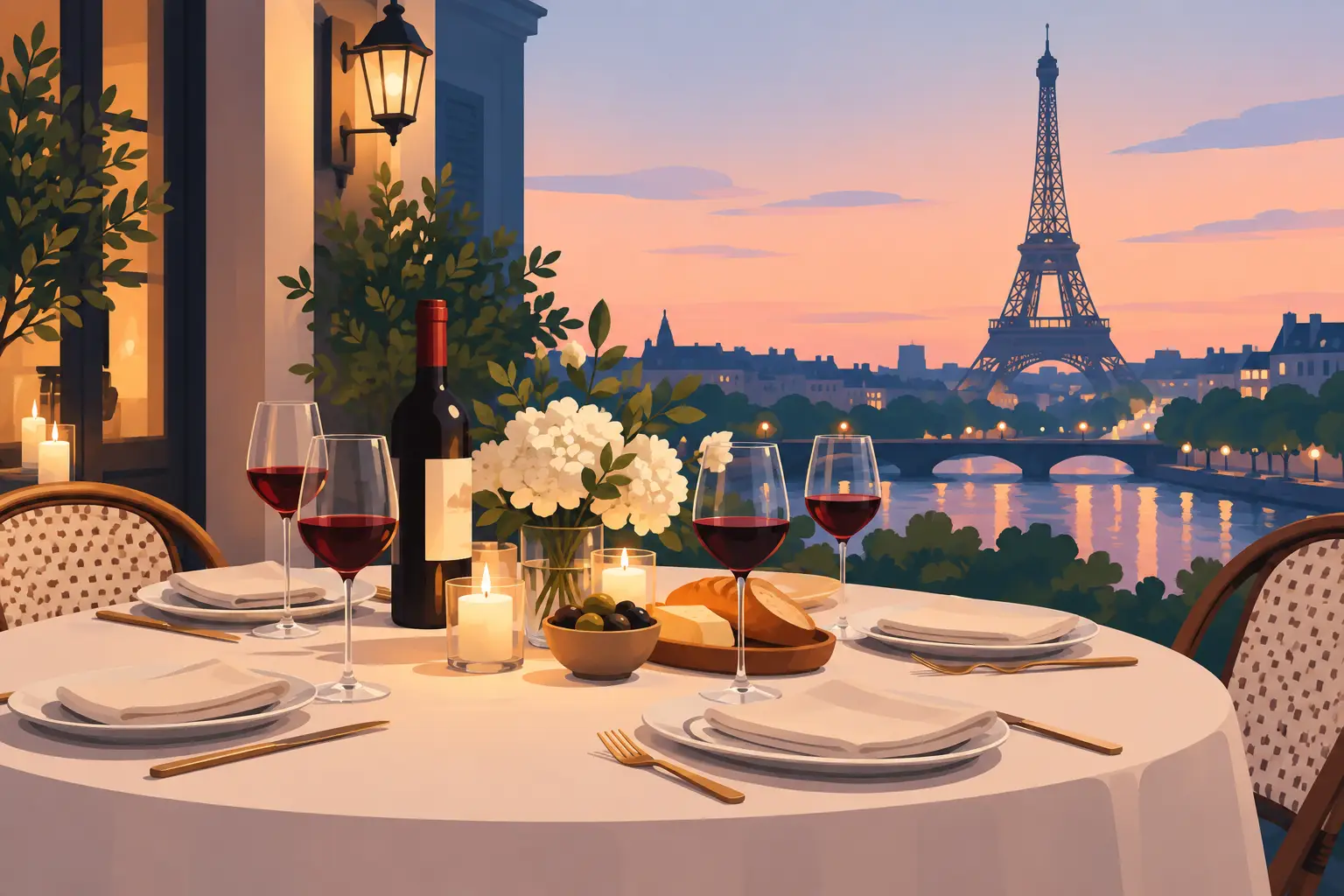
A memorable dinner party is rarely about an overfilled table or a complicated menu. It is about the moment your guests step in from a Niagara evening, take a glass in hand, and know they have been welcomed somewhere special. This private dinner party guide brings that feeling into focus: thoughtful food, easy conversation, and enough structure that the host gets to enjoy the evening too.
Start With the Kind of Evening You Want
Before choosing a dish, decide what your gathering should feel like. A relaxed supper for four calls for a different plan than a birthday table of 10, a family celebration, or dinner before a show at the Seneca Queen concert hall. The best parties have a clear rhythm, even when they feel effortless.
For a long, lingering French bistro-style evening, allow time for an apéritif, a starter, a main course, and dessert. If guests are coming directly from work or travelling through Niagara Falls, a generous but simpler dinner may be the kinder choice. One beautiful main, good bread, a salad, and a dessert crêpe can be more inviting than five courses served in a rush.
Your guest list shapes every practical decision. Six to eight people is often the sweet spot for a home dinner: large enough for lively conversation, small enough that everyone can share it. For a restaurant gathering, a private occasion can work well for a larger group, especially when the menu and timing are agreed upon in advance.
Build a Menu That Lets You Host
French cooking has a reputation for ceremony, but its best dinner-party dishes are often generous, practical, and made for the table. Think of dishes that develop flavour while they cook, rather than dishes that demand your attention at the last minute.
A classic French onion soup can be prepared ahead, with the bread and cheese finished just before serving. Bœuf Bourguignon is even better when made a day early, giving the wine, herbs, and slow-cooked beef time to settle together. Duck confit offers another elegant option, particularly with crisp potatoes and a sharp green salad. In warmer months, moules with fries or crusty baguette create a more informal, sociable feast.
The key is balance. If the main is rich, begin with a bright salad or a small plate of seasonal vegetables. If you serve seafood, keep dessert simple and fresh. A sweet crêpe with fruit, chocolate, or a little caramel can feel celebratory without leaving everyone too full for the rest of the evening.
Make dietary needs part of the invitation
Ask about allergies and dietary preferences when guests RSVP, not when they are seated. This is not fussy hosting. It is what lets everyone relax when the first plates arrive.
Buckwheat galettes are particularly useful when gluten-free dining is part of the group. Naturally gluten-free savoury crêpes can be filled with ingredients such as mushrooms, spinach, egg, cheese, ham, or smoked salmon, depending on the guest and occasion. Just remember that dietary needs vary, so confirm preferences and avoid assumptions about cross-contact or other restrictions.
For a mixed group, it is often easier to serve one naturally flexible menu than to create several separate meals. A vegetarian galette alongside a meat or seafood option, for example, keeps the table feeling shared rather than divided.
Plan the Timing Backward
The host who spends the first hour in the kitchen misses the party. Work backward from the time you want to sit down, then make a short plan for what happens before guests arrive, during drinks, and in the final 15 minutes.
Set the table earlier in the day. Chill wine, prepare water, slice bread, and choose serving dishes before you begin cooking. If there is music, have it playing before the doorbell rings. Jazz works beautifully for a French-inspired supper, but keep the volume low enough that no one needs to compete with it.
Aim to offer a drink and a small bite shortly after arrival. Olives, nuts, cheese, radishes with butter, or a warm gougère give guests something to enjoy while the room fills. There is no need to turn the apéritif into another full course.
A little margin matters. If dinner is planned for 7 p.m., expect guests to arrive between 6:30 and 6:45, and expect the meal itself to begin closer to 7:20. That breathing room is what makes the night feel gracious rather than tightly scheduled.
Set a Table With Warmth, Not Theatre
A French table can be polished without being precious. Use what you have well: clean linens or placemats, proper glassware where possible, cloth napkins, and a small arrangement of flowers or candles. Keep centrepieces low. Guests should be able to see one another across the table.
Candlelight is flattering, but safety and sightlines come first. A few unscented candles are enough, particularly when the meal has aromatic elements such as garlic, herbs, wine, or cheese. Strongly scented candles compete with dinner.
Place cards can be useful for larger gatherings, but they are not required for every meal. If you use them, seat people with conversation in mind. Pair familiar friends with someone new, and avoid making one guest the only person at the table who does not know anyone else.
Choose Wine With the Meal, Not the Label
You do not need a cellar to serve wine well. Choose bottles that suit the food and the guests, then offer sparkling water and a thoughtful non-alcoholic option with equal care. A chilled sparkling wine makes a lovely start, while a medium-bodied red works naturally with beef, duck, and slow-cooked dishes. For mussels, seafood, or lighter galettes, a crisp white is usually the better match.
The trade-off is simplicity versus variety. For six people, two wines plus a non-alcoholic choice is often more than enough. Opening too many bottles can create clutter and leave half-finished glasses around the table. If you are hosting a wine-loving group, offer a small taste of something special with the main course rather than building the whole evening around tasting notes.
In Niagara, local wines can bring a sense of place to a French-inspired menu. There is no rule that says a classic dish must be paired only with a French bottle. Good hospitality is about pleasure, not performance.
When a Restaurant Is the Better Host
There are occasions when cooking at home is exactly the point. There are others when you would rather be fully present for the toast, the stories, and the final dessert. A private dinner in a restaurant gives the group the pleasure of a prepared table, chef-led cooking, and no dishes waiting at the end of the night.
Paris Crêpes Café offers a natural setting for intimate celebrations in downtown Niagara Falls, whether the group is drawn to a classic bistro dinner, Breton-style galettes, or an unhurried dessert after an evening out. It is especially practical for guests with varied tastes: one person can choose duck confit while another enjoys a gluten-free savoury buckwheat crêpe, and everyone still shares the same Parisian table.
If you are reserving for a group, be clear about the guest count, dietary needs, desired timing, and whether you are celebrating something specific. For a concert-night dinner, leave more time than you think you need. A calm meal before the doors open is far more enjoyable than watching the clock between courses.
Let the Last Course Linger
Dessert is where a dinner party softens into its best hour. Clear the main plates without hurrying anyone, bring coffee or tea, and offer something sweet that feels like a final gesture rather than another task. A crêpe Suzette-inspired finish, a simple tarte, or fruit with good chocolate can do the job beautifully.
Do not feel obliged to keep producing. Once dessert is on the table, the evening belongs to the guests. Let conversation run long, refill water before glasses are empty, and accept help only if it truly helps.
The most generous private dinner parties leave people feeling cared for, not impressed at a distance. Choose food you believe in, make room for the people at your table, and give yourself permission to sit down while everything is still warm.